Carnivore Cheeseburger Soup Recipe – High Protein Zero Carb Comfort Meal

Carnivore cheeseburger soup is a nutrient-dense, high-protein dish that replicates the classic flavors of a cheeseburger using only animal-based ingredients. Designed for those strictly following a carnivore or zero-carb lifestyle, this soup relies on high-quality beef, rich bone broth, and savory cheeses to deliver a satisfying, comforting meal.
- Ingredient Quality: Use high-fat ground beef and block cheese to ensure proper texture and flavor.
- Emulsion Technique: Add dairy slowly over low heat to prevent the soup from breaking or separating.
- Flavor Depth: Thoroughly brown the beef to create a savory base, as traditional vegetable aromatics are.
- Safety First: Store in shallow containers and reheat gently to ensure food safety and quality consistency.
What Is Carnivore Cheeseburger Soup? The Ultimate Protein-Packed Comfort

The Philosophy Behind Carnivore-Friendly Soups
The carnivore diet prioritizes nutrient-dense animal products, excluding plant-based fillers, grains, and legumes. In traditional cheeseburger soup recipes, potatoes, flour-based thickeners, and vegetable aromatics are standard. A carnivore-friendly approach shifts the focus entirely to animal proteins and fats. The “creaminess” is achieved through the careful emulsion of high-fat dairy and collagen-rich liquids rather than starches. Carnivore Cheeseburger Soup
Why This Recipe Fits Your 2026 Low-Carb Lifestyle
As of 2026, many home cooks are seeking streamlined, low-inflammation meal options that provide sustained satiety. This dish fits perfectly into a modern, minimalist kitchen where ingredient quality takes precedence over complexity. By removing non-animal ingredients, you simplify your shopping list and focus on high-bioavailability nutrition, making it an efficient choice for weekly meal prep.
Key Ingredients for a Nutrient-Dense Bowl

Selecting High-Quality Ground Beef and Fats
The flavor profile of this soup starts with the beef. Opt for a higher fat-to-lean ratio, such as 80/20 ground beef. The rendered fat is essential for both flavor and the overall mouthfeel of the soup. Do not drain the fat after browning; it is a primary fuel source in a carnivore-based diet.
Choosing the Right Cheeses for Texture and Flavor
When selecting cheese, prioritize natural blocks over pre-shredded varieties, which often contain anti-caking agents like potato starch or cellulose. Sharp cheddar provides a classic “cheeseburger” tang, while adding a small amount of heavy cream or cream cheese helps stabilize the emulsion and prevents the oils from separating. Carnivore Cheeseburger Soup
The Role of Bone Broth in Carnivore Nutrition
Bone broth is the foundation of any good soup. It provides essential electrolytes and collagen. In 2026, many high-quality, shelf-stable, and frozen bone broths are available that contain only water, bones, and salt. Always check labels to ensure there are no added onions, garlic, or vegetable extracts if you are adhering to a strict carnivore protocol.
- Verify bone broth ingredients are free from plant additives.
- Ensure ground beef is fresh and properly refrigerated.
- Use block cheese to avoid hidden starches or fillers.
- Confirm you have a heavy-bottomed pot to prevent scorching.
Step-by-Step Cooking Technique: Achieving the Perfect Creamy Consistency
Developing Deep Flavor Through Proper Browning
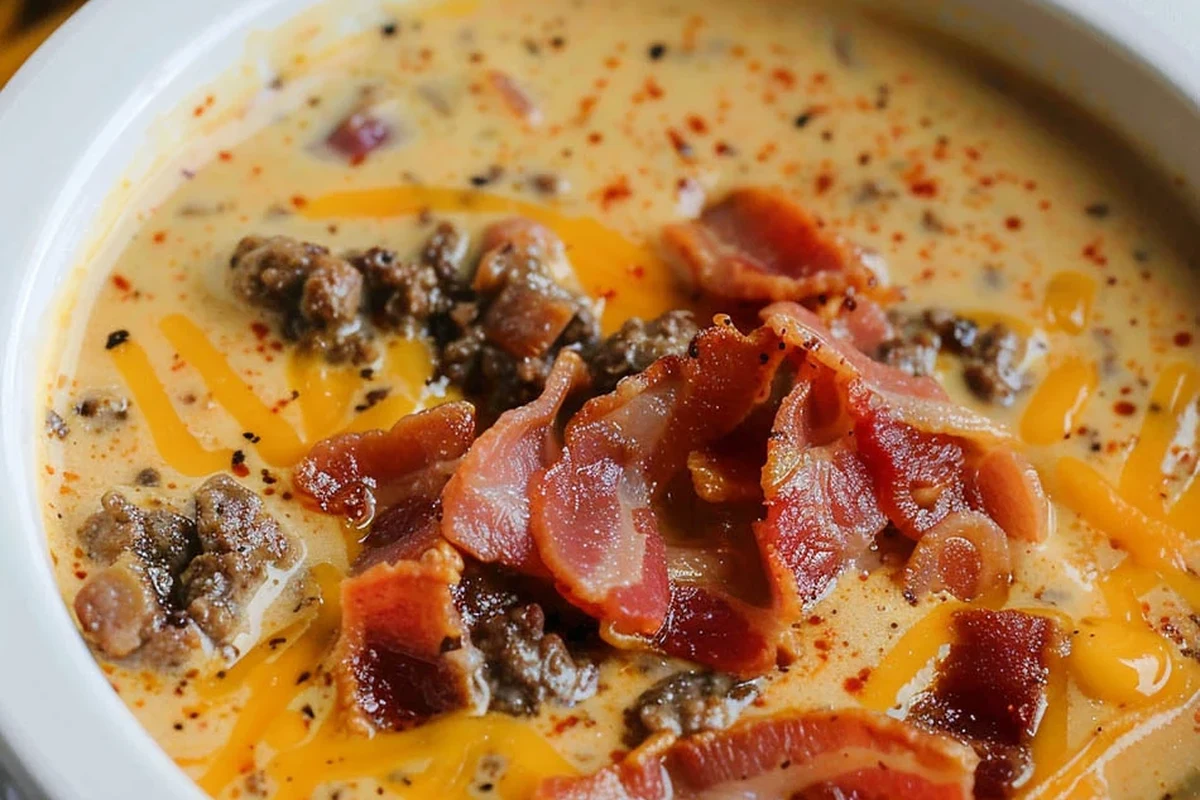
The Maillard reaction—the browning of meat—is crucial here since you lack the flavor depth usually provided by sautéing onions or garlic. Brown the ground beef thoroughly until it develops a deep, dark crust. This adds a complex, savory note that defines the character of the final soup.
Emulsification: How to Prevent Your Soup from Separating
Separation occurs when the fat and liquid molecules are not properly bonded. To prevent this, add your dairy (cream or cream cheese) slowly over low heat once the broth is at a simmer. Whisking continuously helps integrate the fats into the broth, creating a stable, velvety texture.
Balancing Salt and Savory Notes Without Vegetable Aromatics
Since you are omitting traditional aromatics, rely on high-quality sea salt and, if your dietary guidelines allow, small amounts of aged hard cheeses like Parmesan to add umami. Salt the meat during the browning stage to ensure the seasoning penetrates the protein thoroughly.
Common Mistakes and How to Avoid Them
- Use a low heat setting when adding dairy to prevent curdling.
- Grate your own cheese to ensure purity and better melting.
- Use a heavy-bottomed pot for even heat distribution.
- Boiling the soup after adding cheese, which causes oil separation.
- Using low-fat dairy, which results in a thin, watery consistency.
- Adding vegetable-based seasonings or broths containing hidden sugars.
Safe Handling and Storage: Keeping Your Batch Fresh
The USDA recommends keeping hot foods at or above 140°F (60°C) to prevent bacterial growth. When storing, divide the soup into shallow containers to allow for rapid cooling in the refrigerator. Consume within 3-4 days for optimal safety and quality.
Customizing Your Bowl: Variations and Substitutions
Value and Nutritional Considerations
In 2026, the cost-per-serving of this meal is generally lower than takeout alternatives, especially when purchasing ground beef in bulk. Because the high fat and protein content promotes satiety, you may find that you require smaller portions to feel full compared to carbohydrate-heavy meals.
Final Recommendation: Why Carnivore Cheeseburger Soup Belongs in Your Weekly Rotation
Carnivore cheeseburger soup is an efficient, high-satiety meal that respects the constraints of a zero-carb lifestyle while delivering intense flavor. By focusing on quality fats and proper emulsification, you can create a restaurant-quality bowl at home. It is an ideal staple for those managing a busy schedule who require meals that are both easy to store and consistently nourishing.
Frequently Asked Questions
It is best to avoid pre-shredded cheese because it often contains potato starch or cellulose to prevent clumping, which are not carnivore-friendly. Use block cheese and shred it yourself for a smoother melt.
Keep the heat low when adding dairy and whisk constantly. Avoid boiling the soup once the cheese is added, as high heat causes the fats to break and separate.
Reheat gently on the stovetop over low heat, stirring frequently. If it appears separated, a quick whisk while warming should bring the emulsion back together.
Yes, bacon is an excellent addition. Cook it until crispy and crumble it on top for added texture and a smoky flavor that complements the beef.
Store the soup in an airtight container in the refrigerator for up to 3 to 4 days. Always ensure it is cooled quickly before refrigerating.
Yes, this dish holds up very well in the refrigerator. It is an excellent option for batch cooking, provided you reheat it carefully to maintain the creamy consistency.